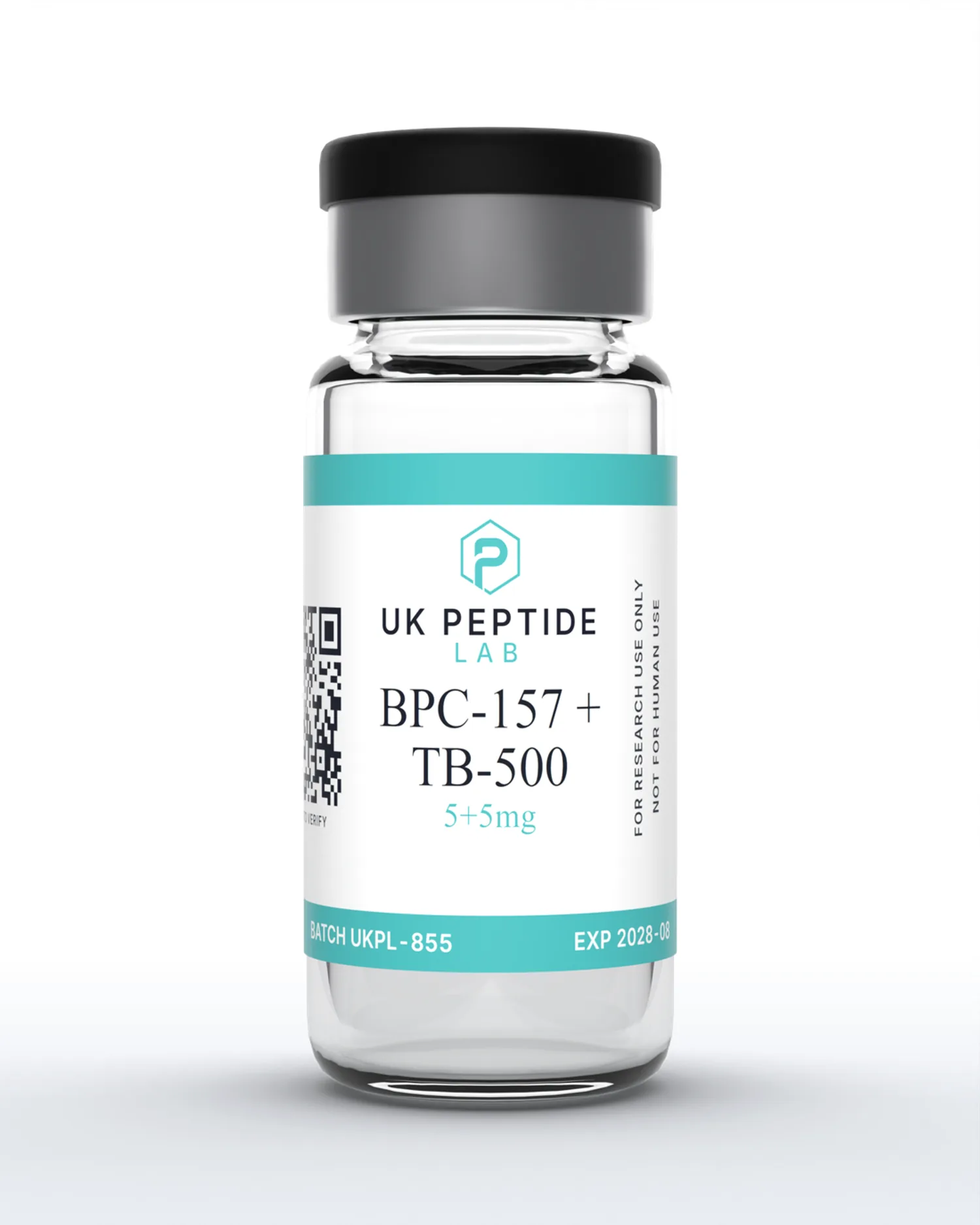
bpc-157 derived from Peptide & Regenerative Therapy Explained BPC-157 Peptide Therapy | New
Description
1.Your digestive tract uses hydrochloric acid to separate B12 from the protein in your food

The peptide timeline expectations guide provides detailed week-by-week projections
Modular display of plasmodium yoelii circumsporozoite surface protein and merozoite surface protein-1 on norovirus-like particles
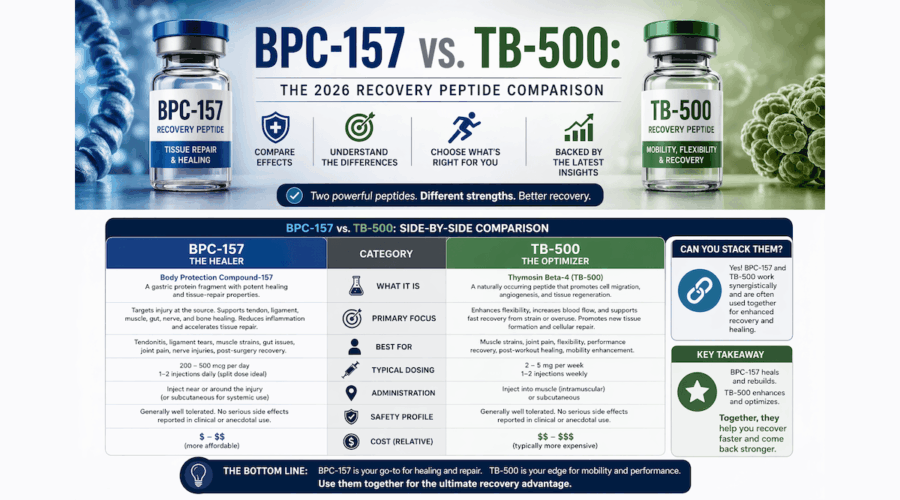
scar tissue formation at the injury site Anti-inflammatory down-regulates NF-B signaling, one of the key inflammatory pathways active in disc herniations Works in synergy with BPC-157 while BPC-157 creates the growth signals, TB-500 provides the cellular migration framework to execute the repair Protocol: Loading phase: 2.5mg5mg/week subcutaneous injection for 46 weeks Maintenance: 1.252.5mg/week ongoing Frequency: Single weekly injection or split into two 1.25mg injections across the week (both approaches work) The Synergy: Why Run Both Together BPC-157 and TB-500 work through different but complementary mechanisms
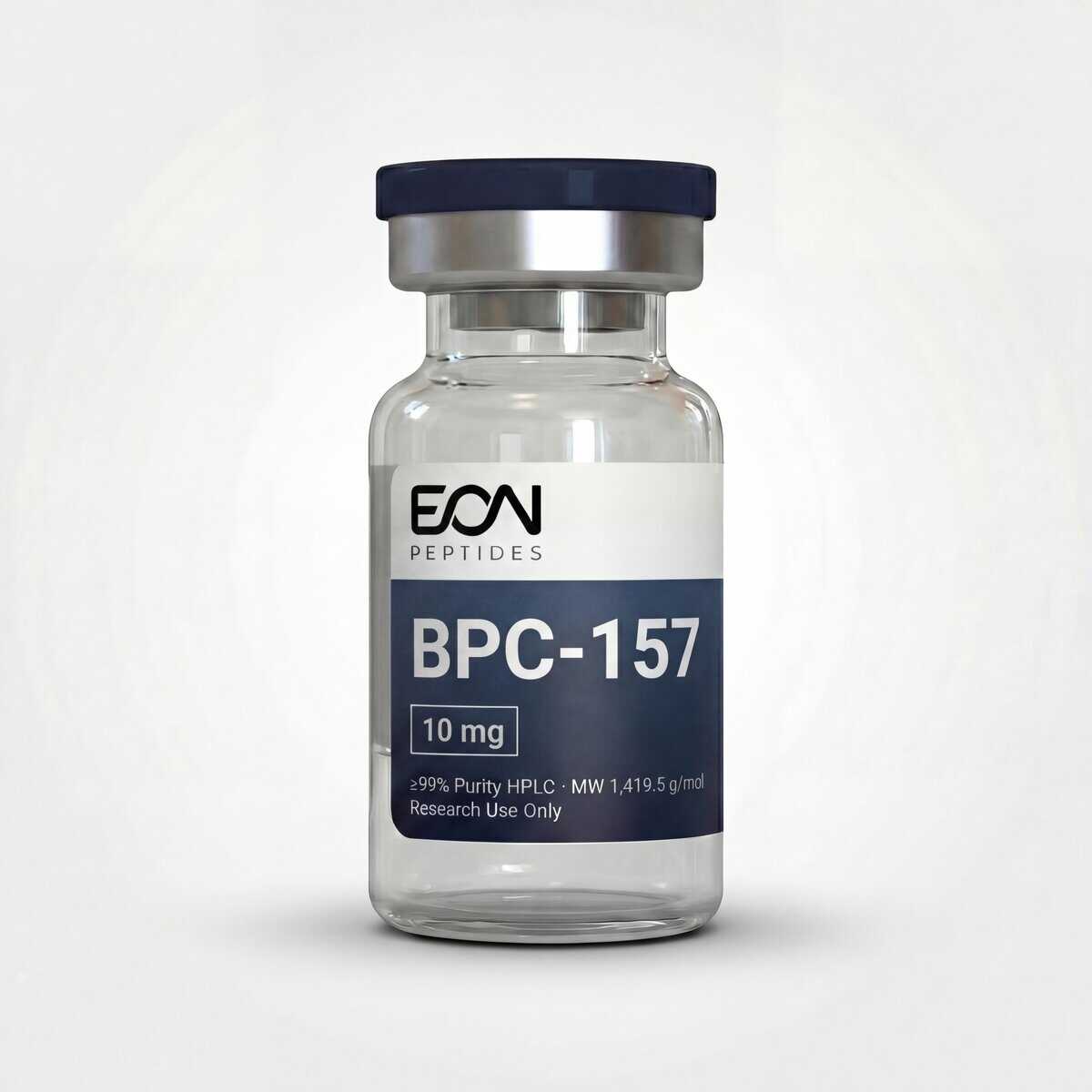
TB-500 works specifically through actin regulation and cell migration