glp 1 for type 2 diabetes GLP-1 receptor agonists are increasingly used to treat and obesity, and trials have shown reductions in cardiovascular risk and slowing of kidney failure. Adverse events are mostly gastrointestinal GLP-1 Impact: How GLP-1s Are
Description
They use the active ingredient, semaglutide, to create formulations that might differ from branded versions
In addition to GLP-1s now well-known ability to treat diabetes and obesity, Al-Aly and his team found connections between GLP-1 use and reduced risk of substance use disorders, suicidal ideation, seizures, dementia and Alzheimers disease, among many others
GLP1 receptor agonists have shown promise in achieving significant weight loss in PWS patients
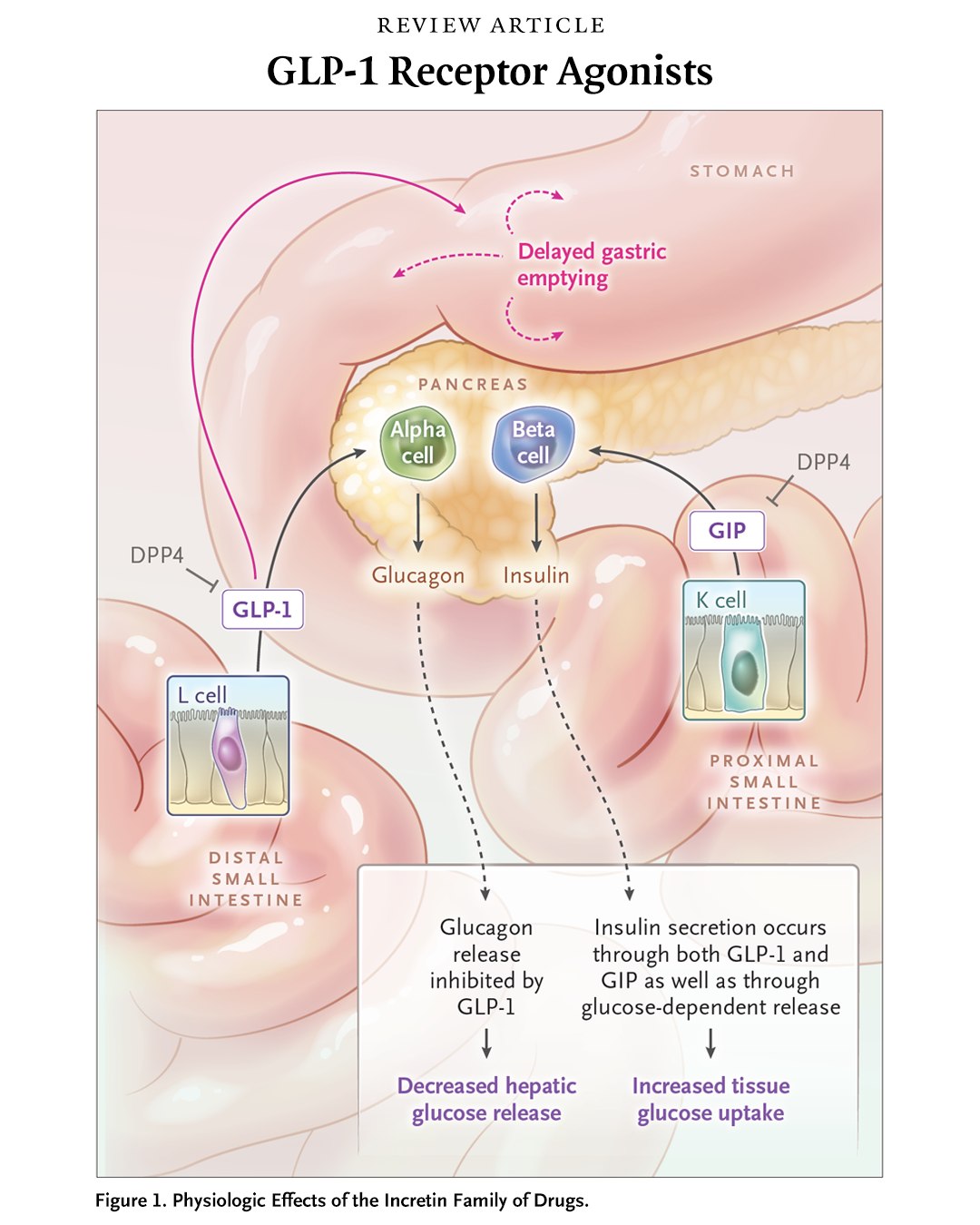
Clamp studies in patients with type 2 diabetes indicate that GLP-1 inhibition of glucagon secretion is equally important for lowering blood glucose as GLP-1 stimulation of insulin release [578]

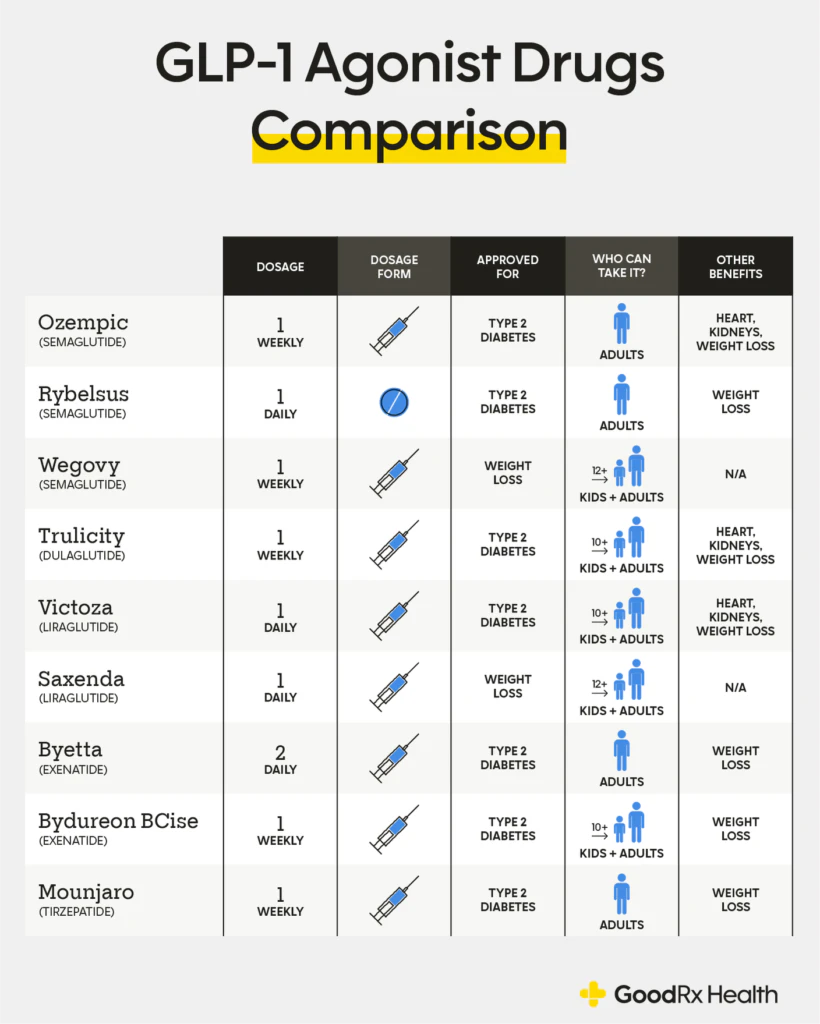
This means it not only affects the GLP-1 pathway but also stimulates GIP (glucose-dependent insulinotropic polypeptide) receptors, For this reason, tirzepatide offers more levers for weight loss


