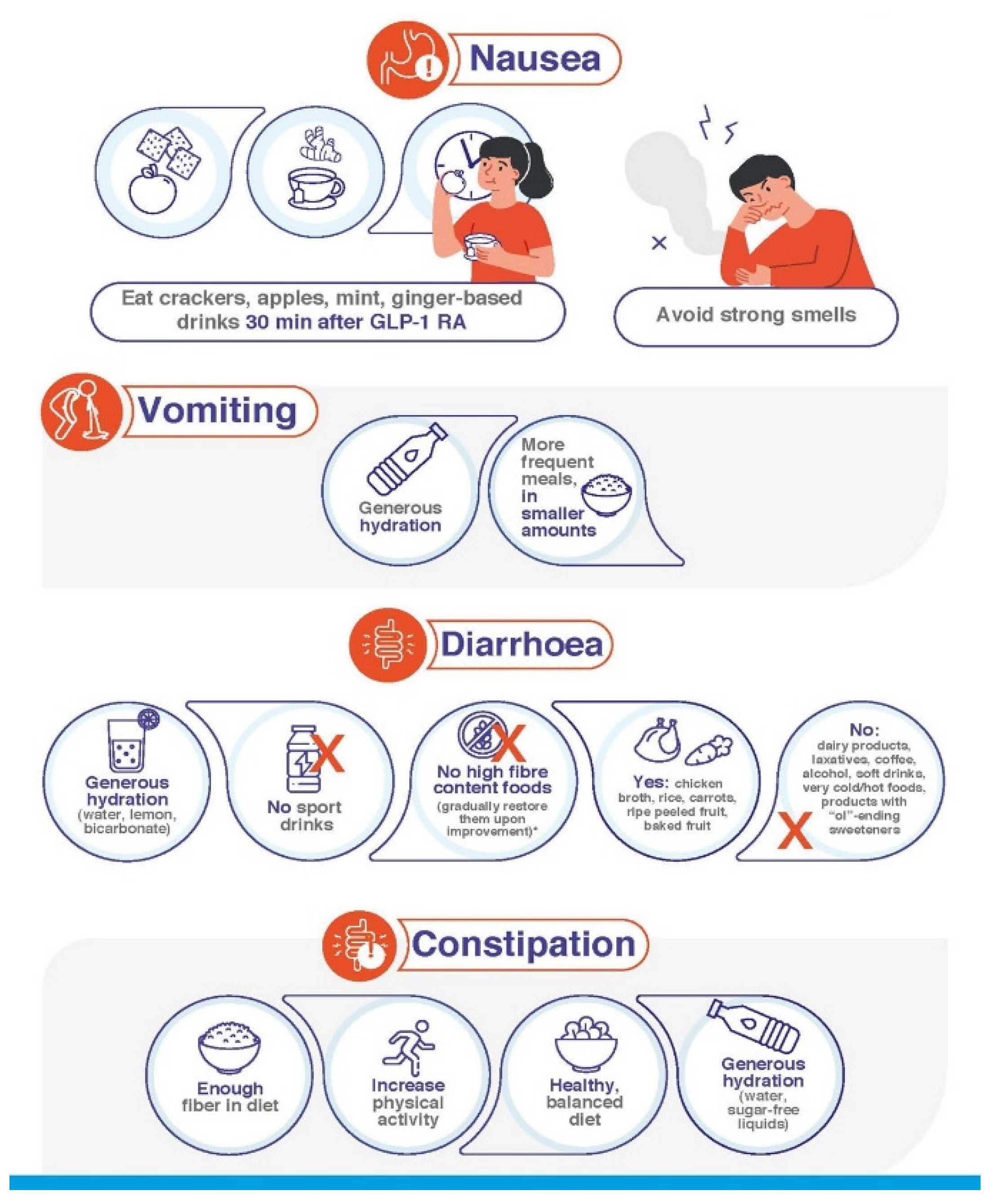
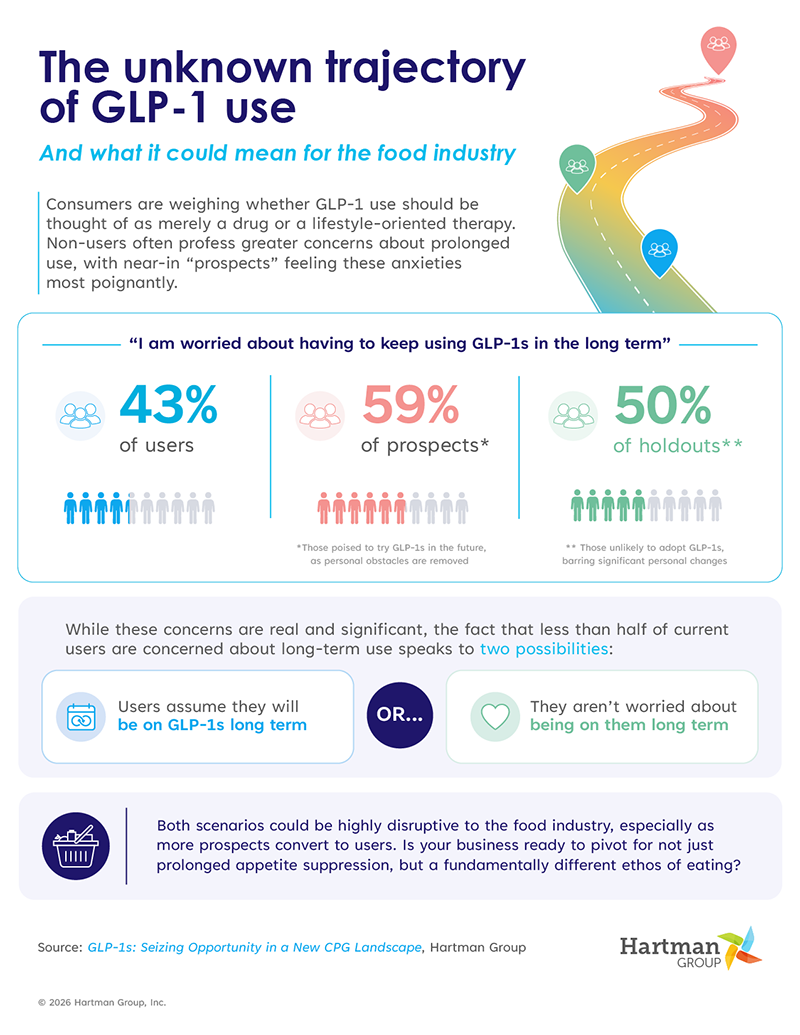
long term glp 1 use effects of Clinical Recommendations to Manage Gastrointestinal Adverse Events in Patients The unknown trajectory of GLP-1
Description
Both patterns are normal and typically resolve within 2 to 4 weeks
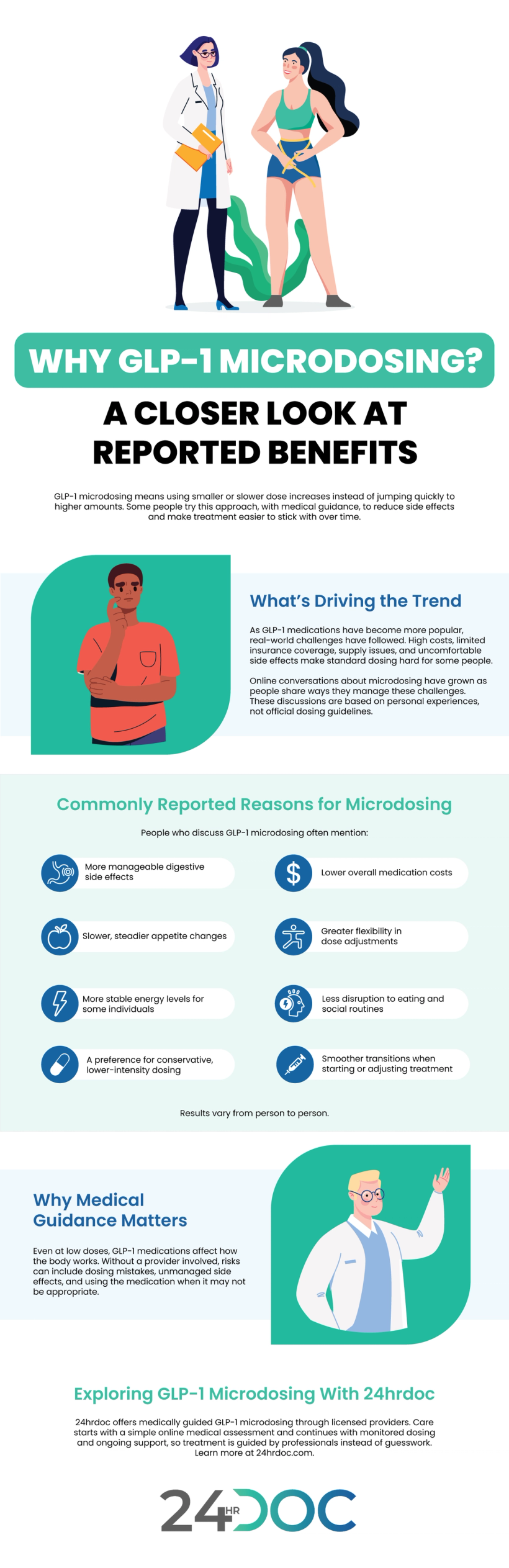
instead, they should only progress to an increased dose when tolerance is demonstrated
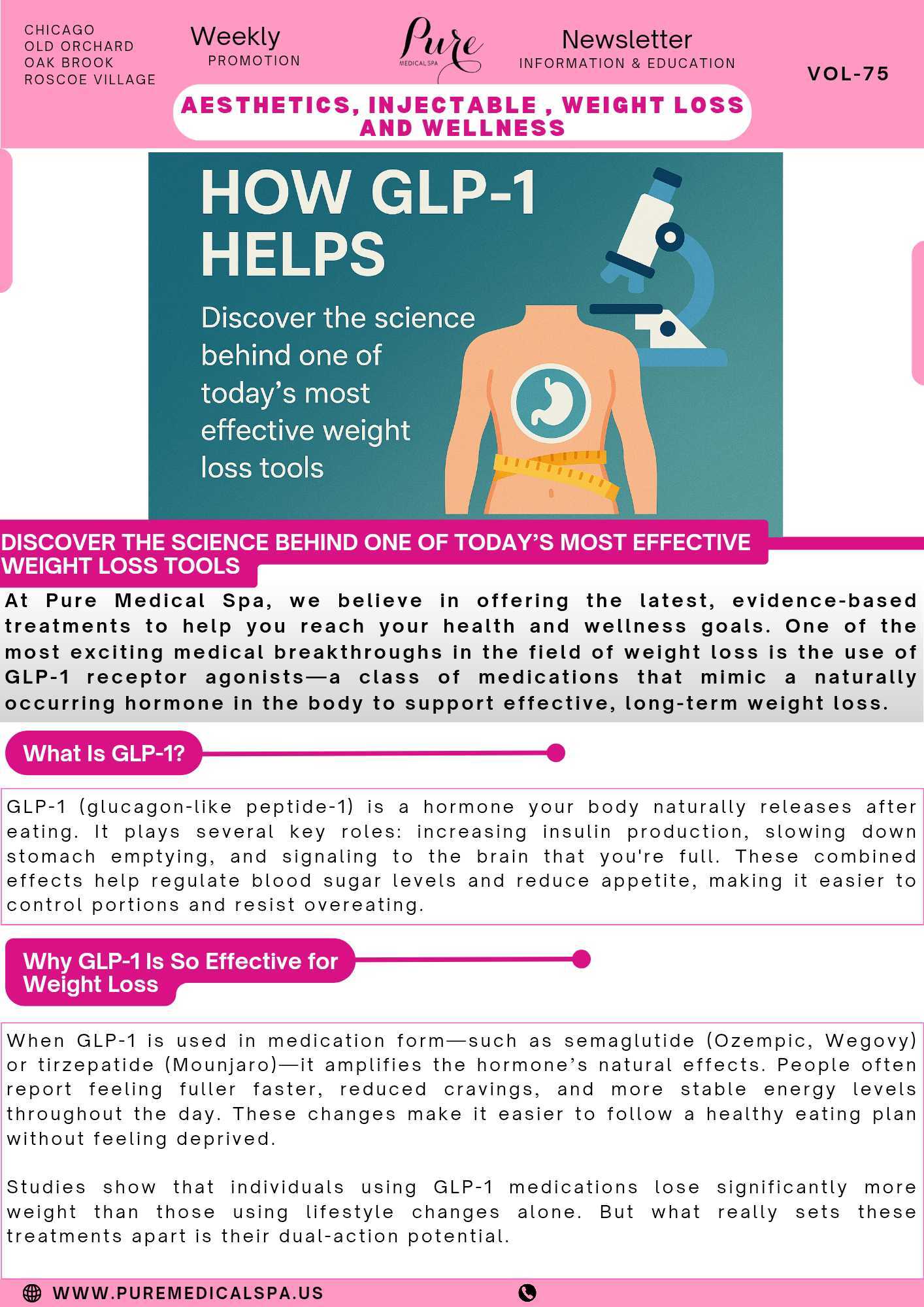
This more favorable hormonal milieu explains why GLP-1 weight loss tends to preserve more muscle mass, produce less hunger and psychological distress, and create a more sustainable long-term trajectory than equivalent weight loss from dieting alone
K., Patorno, E

Meta-analyses in diabetic populations have found a correlation between reductions in HbA1c and GLP-1RA-mediated MACE risk reduction.[37, 38] The SELECT trial, which enrolled patients without diabetes but with pre-existing cardiovascular disease (CVD) and a BMI 27, found a significant reduction in MACE among those treated with semaglutide, leading to FDA approval for MACE reduction in individuals with established CVD.[18, 39] A meta-analysis incorporating SELECT and other CVOTs concluded that GLP-1RAs provide a significant MACE reduction in individuals without diabetes, though the reduction in individuals with diabetes is more pronounced.[12] These findings of benefit in populations without diabetes suggest that while the antihyperglycemic effects of GLP-1RAs likely contribute to MACE reduction, other mechanisms, such as systolic blood pressure reduction, likely also play a role.[40] Over time, clinical trials on GLP-1RA MACE reduction have shifted from a focus on secondary prevention, with over 80% of participants in earlier trials such as LEADER and SUSTAIN 6 having a history of established cardiovascular disease, to an emphasis on primary prevention in high risk participants, with less than a third of participants in REWIND having a history of established cardiovascular disease.[8, 10, 11, 41] While semaglutide is currently only FDA-approved for secondary prevention of cardiovascular disease, a meta-analysis of GLP-1RA outcome trials found no significant difference in cardiovascular event relative risk reduction between use for primary versus secondary prevention