increasing glp-1 Impact of Drug Adoption on Consumer Food Demand The GLP-1 revolution: What UAB
Description
YouTube star "High Carb Hannah" finally lost the weight when she stopped cutting out the foods she loved.
This Fat burner supports weight management by enhancing metabolism
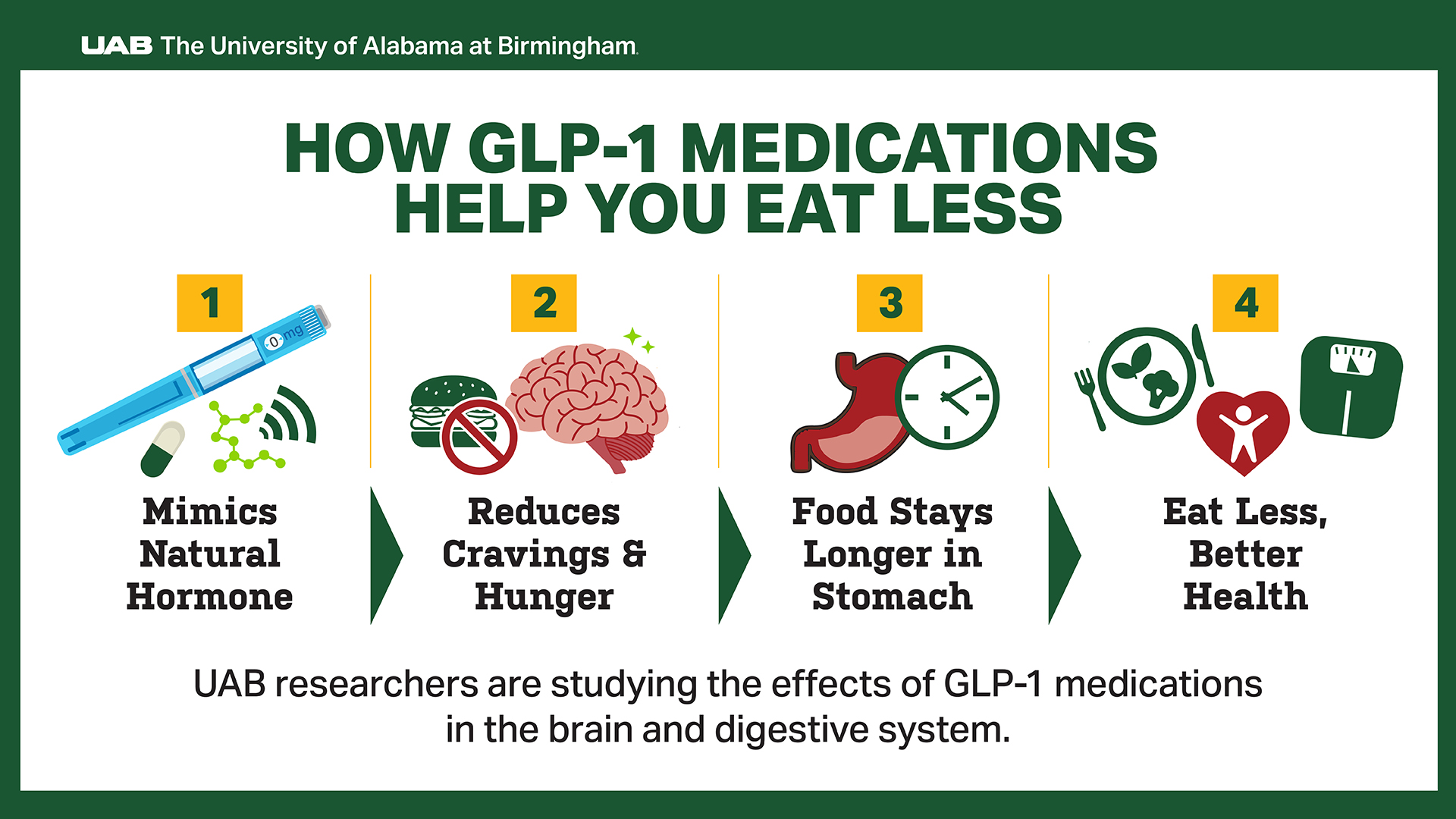
Physiological Effects Semaglutide exerts its therapeutic benefits through multiple complementary mechanisms: Enhanced Insulin Secretion: Stimulates glucose-dependent insulin release from pancreatic beta cells, improving postprandial glucose control[3][4] Glucagon Suppression: Inhibits glucagon release, reducing hepatic glucose production and improving fasting blood glucose levels[3][4] Delayed Gastric Emptying: Slows the movement of food from the stomach to the small intestine, reducing postprandial glucose excursions and promoting satiety[4][5] Appetite Reduction: Directly affects the central nervous system to decrease food intake and energy consumption[4][5] Improved Metabolic Flexibility: Enhances the body's ability to switch between energy substrates based on availability[2] At the cellular level, semaglutide primarily operates through the AMPK (AMP-activated protein kinase) pathway, which regulates cellular energy homeostasis and improves insulin sensitivity
Improve sleep, energy, workouts, and recovery with physician-guided treatment.
Strengths Strong traditional use and modern clinical support Potential to support both gut hormone and pancreatic gene activity Generally safe in moderate doses Limitations Wide dose range in studies, optimal dosing unclear Potentiate the effects of other glucose-lowering agents Safety Precautions and Limitations of GLP-1 Supporting Botanicals Even though these botanicals may gently support the bodys GLP-1 pathways, they are not stand-alone therapies and should be used thoughtfully. Because many of these compounds affect insulin secretion or glucose uptake, combining them with pharmaceuticals can raise the risk of hypoglycemia