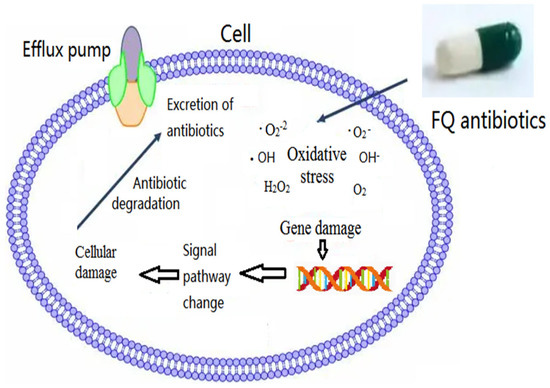
glutathione cipro toxicity The Research Status, Potential Hazards and Toxicological Mechanisms of Fluoroquinolone Antibiotics in the Environment Mechanistic insights into microalgal removal
Description
With the rapid weight reduction caused by GLP-1 agonists, 25 to 40 % of the loss is lean mass (muscle tissue)

Every time you eat, breathe, or move, your body uses fuel created from the food you eat to produce energy

Research Applications BPC-157 has been studied extensively in animal models across a range of research contexts: Soft tissue repair tendon, ligament, and muscle injury models in rodents have shown accelerated healing markers when BPC-157 was introduced into experimental protocols Gastrointestinal research studies in rat models have examined its cytoprotective properties in gastric lesion, inflammatory bowel, and esophageal damage models Neuroprotection preclinical research has explored BPC-157 in models of peripheral nerve damage, central nervous system injury, and dopaminergic system modulation Musculoskeletal research bone-tendon junction healing, fracture repair, and osteogenic differentiation models have been examined in multiple published studies Organ protection emerging preclinical literature has investigated BPC-157 in hepatic, renal, and cardiac injury models in rodents Why Researchers Choose BPC-157 BPC-157 is notable in research peptide literature for its stability in acidic environments, distinguishing it from many peptides that degrade rapidly in gastric conditions

doi: 10.1001/jama.2016.17441 25 NegroMMarzulloNCasoFCalanni PirelliLDAntonaG

These medications help reduce the acid in your stomach and relieve other symptoms you might have


