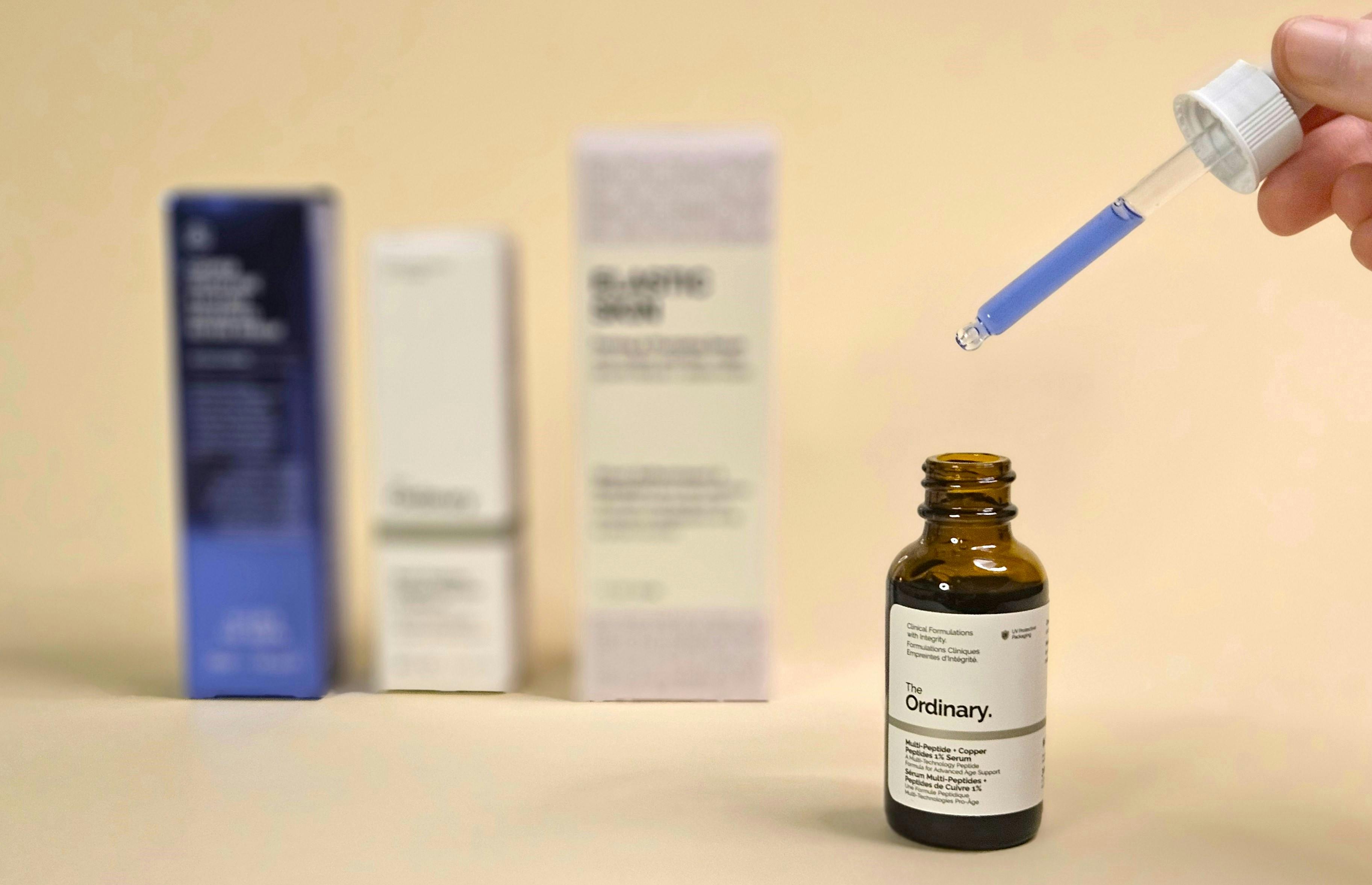
ghk-cu benefits anti-aging skin healing Peptide GHK-Cu (Copper Peptide) is a
Description
Quality peptide sources provide third-party testing and certificates of analysis

Avoid high-concentration Pure Vitamin C, AHA, and BHA to ensure GHK-Cu stability
FDA staff reviewers said there is little evidence to allow compounding pharmacies to manufacture seven popular peptides, in stark contrast to Health Secretary Robert F

Additional Monitoring May Be Considered In: Higher-frequency regenerative research protocols Long-duration experimental protocols Multiple concurrent regenerative or metabolic-support compounds Significant peptide-sensitivity research models Liver-function or copper-metabolismrelated investigations Research models involving copper- or zinc-balance investigations Avoid or Carefully Evaluate In Research Models With: Known hypersensitivity to peptide compounds Active severe systemic illness Severe uncontrolled metabolic or neurological conditions Active or suspected cancer-, tumor-, or abnormal proliferative research models Pregnancy or breastfeeding contexts Additional Research Considerations Because GHK-Cu is a copper-binding peptide, prolonged or higher-frequency research exposure may influence: Copper- and zinc-related biomarker pathways Oxidative-stress regulation mechanisms Skin-related and regenerative-response variability Tissue-remodeling and collagen-related signaling pathways Research protocols commonly investigate the inclusion of: Zinc supplementation Vitamin C supplementation alongside GHK-Curelated research models because of their involvement in: Collagen-related pathways Antioxidant-support mechanisms Skin-integrity and tissue-maintenance signaling Physiological-resilience pathways Research involving regenerative and tissue-remodeling pathways remains ongoing, particularly within broader investigations involving cellular-response, oxidative-stress regulation, and tissue-maintenance mechanisms

No cartilage or ossicles formation in other tissues [18,19,20,21,22,35,36,37], particular stability (non-degradation in gastric juice, and thereby intraperitoneal and per-oral application in the present study), and no need for the carrier, easy applicability with no toxicity noted, and large beneficial effects [1,2,3,4,5,6,7,8,9,10,11,12,13,14,15,16,17] can have possible advantages over currently suggested agents and procedures