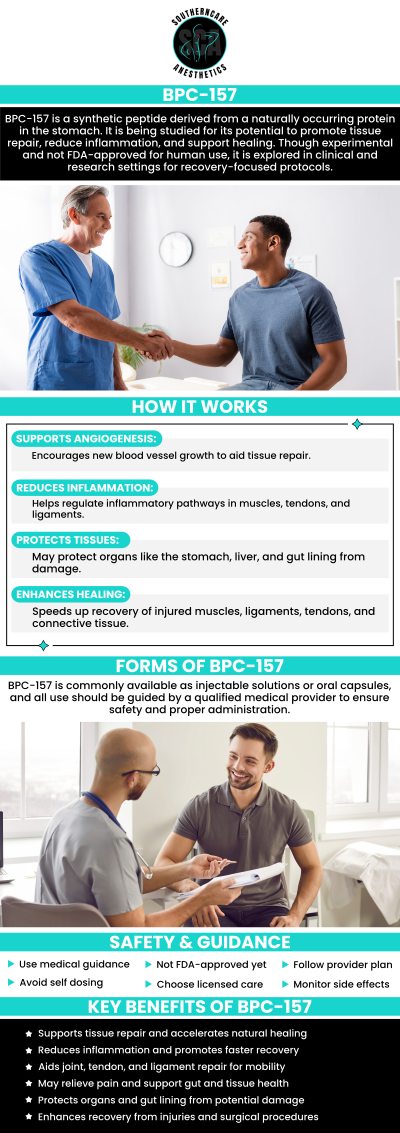
bpc 157 clinical trials usa BPC-157 Cost: What You Need to Know BPC-157 FDA Approval Status: Is
Description
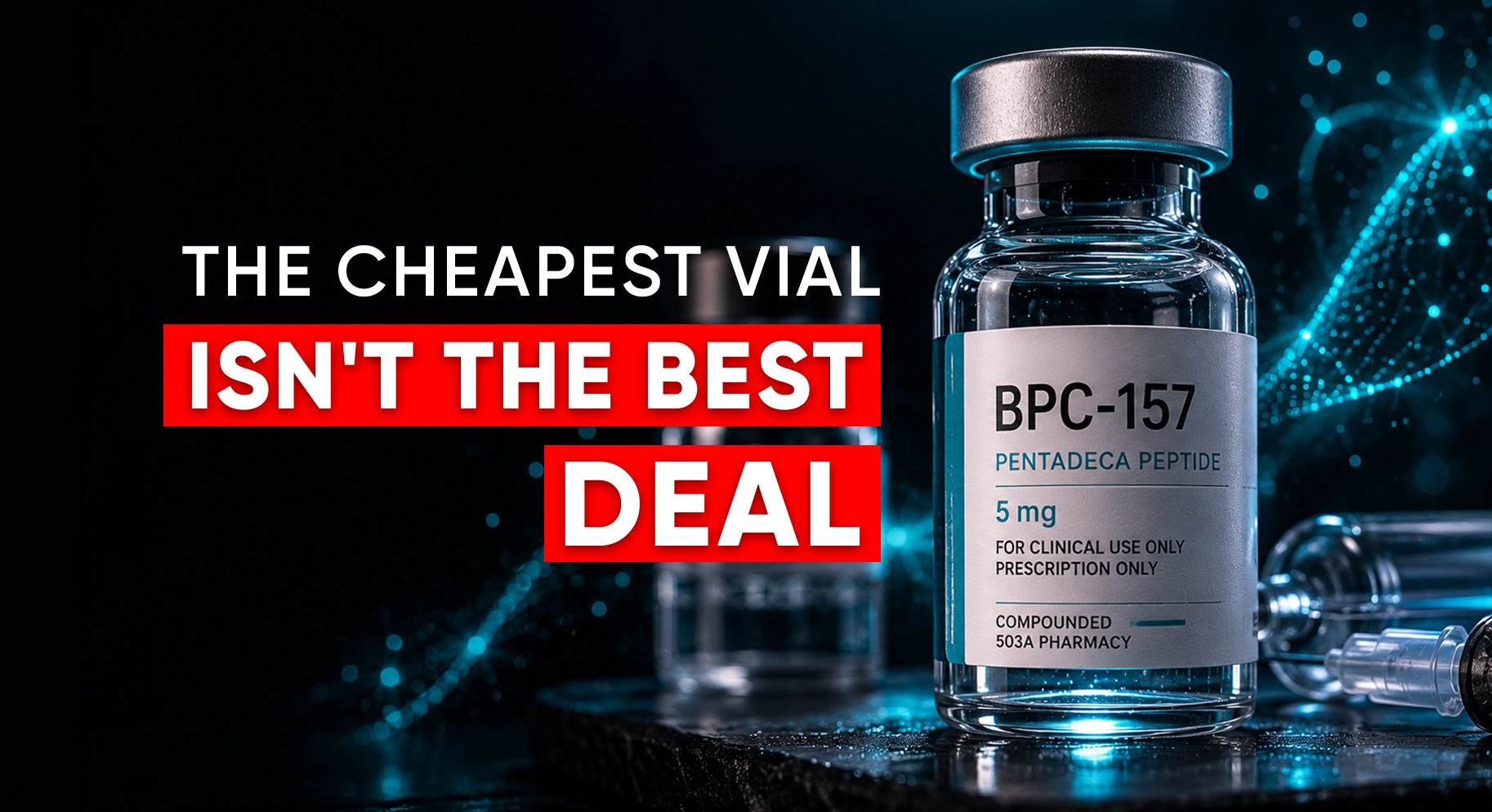
Contamination and sterility considerations Sterility concerns: Lyophilized peptides shipped dry (sterile not required) User reconstitution introduces sterility responsibility Proper reconstitution technique critical Manufacturing contamination possible but rare Endotoxin testing: Rarely see endotoxin COAs from Transcend Endotoxins (bacterial residue) cause fever/inflammation Reputable vendors should test Absence of testing = unknown risk Premium vendors more likely to test Contamination reports: Few severe contamination reports Occasional particle/floater complaints Could be user error or manufacturing Visual inspection critical before use Discard if any doubt User safety practices: Clean injection technique Alcohol swabs for vial and injection site Proper storage (refrigerated after reconstitution) Bacteriostatic water only Never reuse needles/syringes Risk assessment: Contamination risk: Low but non-zero Sterility responsibility: Primarily user's Visual inspection: Critical safety step When doubtful: Discard and request replacement Overall safety: Comparable to research chemical standard Pricing and value analysis Cost-benefit evaluation

Instead of passing through the digestive system like pills, these injections deliver nutrients directly into the bloodstream
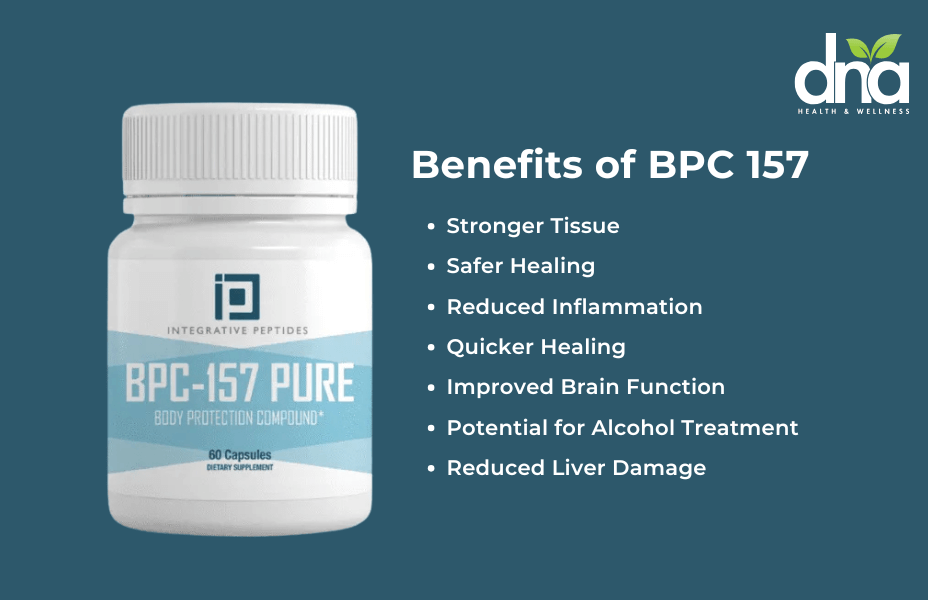
It is metabolized hepatically and excreted renally, with a half-life of under thirty minutes
Sex Med

Multi-Functional Regenerative Peptide Review (PubMed, 2012) A comprehensive review published on PubMed examined the structure, biological properties, and clinical applications of Thymosin Beta-4


