FREE SHIPPING ON ORDERS OVER $150

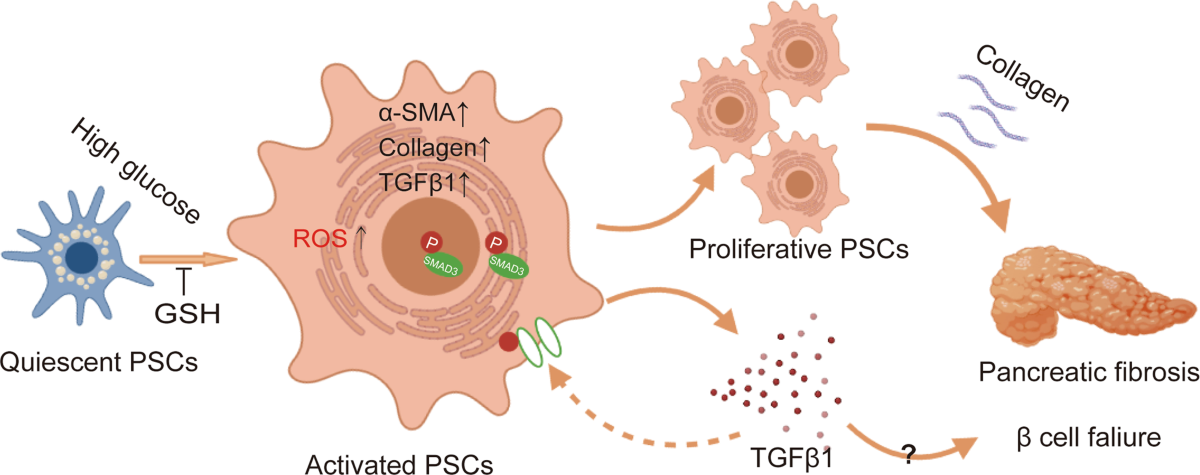
excess glucose and glutathione prevents high glucose-induced pancreatic fibrosis by suppressing pancreatic stellate cell activation via the ROS/TGFβ/SMAD pathway Mitochondrial Glutathione in Cellular Redox

$25.77

Quantity
- +
Description

Jing et al., 2021)

excess glucose and glutathione prevents high glucose-induced pancreatic fibrosis by suppressing pancreatic stellate cell activation via the ROS/TGF/SMAD pathway Mitochondrial Glutathione in Cellular Redox

244 Following the first evidence of Au hydrides 245 by Andrews et al., 246249 these complexes were considered unstable until the first isolable Au(I) hydride bearing an NHC ancillary ligand in 2008 250 and AuH stabilized by Xanthphos-phosphole ligand
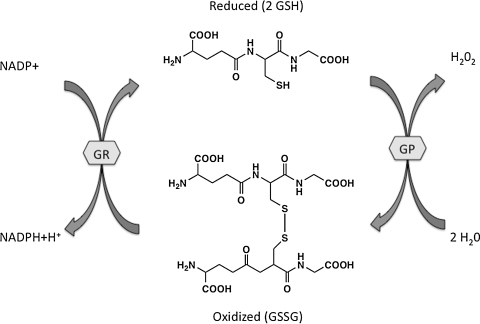
excess glucose and glutathione prevents high glucose-induced pancreatic fibrosis by suppressing pancreatic stellate cell activation via the ROS/TGF/SMAD pathway Mitochondrial Glutathione in Cellular Redox

C.LundyD

excess glucose and glutathione prevents high glucose-induced pancreatic fibrosis by suppressing pancreatic stellate cell activation via the ROS/TGF/SMAD pathway Mitochondrial Glutathione in Cellular Redox

Kim and Shin, 2018

excess glucose and glutathione prevents high glucose-induced pancreatic fibrosis by suppressing pancreatic stellate cell activation via the ROS/TGF/SMAD pathway Mitochondrial Glutathione in Cellular Redox

The CPTAC Data Portal: a resource for cancer proteomics research

excess glucose and glutathione prevents high glucose-induced pancreatic fibrosis by suppressing pancreatic stellate cell activation via the ROS/TGF/SMAD pathway Mitochondrial Glutathione in Cellular Redox

You may also like

recommand products