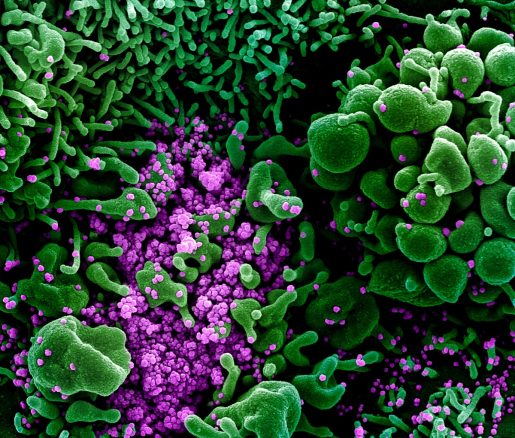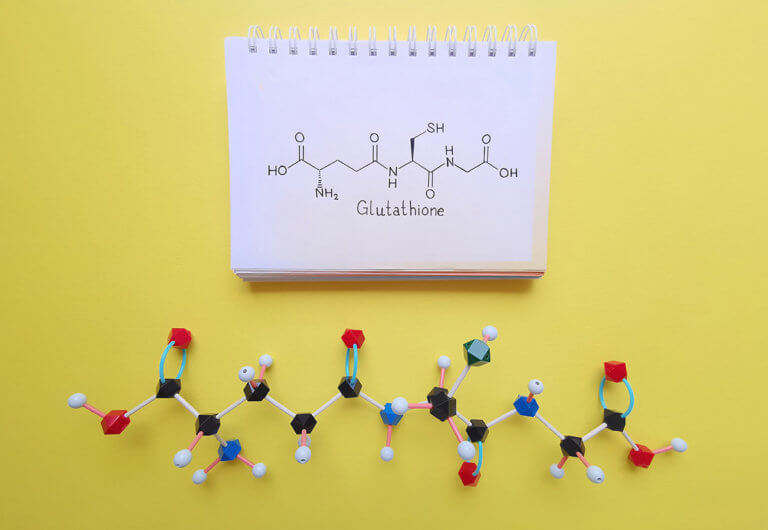
covid 19 glutathione and NAC Reduce the Severity of COVID-19 Long COVID and Oxidative Stress:
Description
Biosensing with plasmonic nanosensors

Eat sulfur-rich foods like leafy greens, asparagus, onions, garlic, and eggs Liver Cruciferous vegetables like broccoli, kale, turnip greens, cabbage, Brussel sprouts, cauliflower Foods rich in selenium, like Brazil nuts, grass-fed beef, eggs, and brown rice Vitamin C-rich foods like oranges, citrus fruits, strawberries, and tomatoes Foods that support methylation (foods high in folate, B-12, B-6): bananas, cantaloupe, papaya, sunflower seeds, avocados, leafy greens, organ meats, fish, poultry, and eggs Cinnamon, turmeric, and cardamom In addition to consuming a diet rich in fruits, vegetables, and whole proteins, you can support glutathione levels by managing stress, exercising, and getting adequate sleep: *Aim for 8-10 hours of restful sleep per night - optimize sleep by reducing screen time/blue lights up to 2 hours before bedtime

This creates a cycle of antioxidant protection that may support skin radiance more effectively than glutathione alone
Structural Comparison# Research Evidence Comparison# Cortistatin Research# Cortistatin's sleep evidence is mechanistically strong but entirely preclinical: de Lecea et al
Zhao C, Li X, Han X, Li Z, Bian S, Zeng W, et al