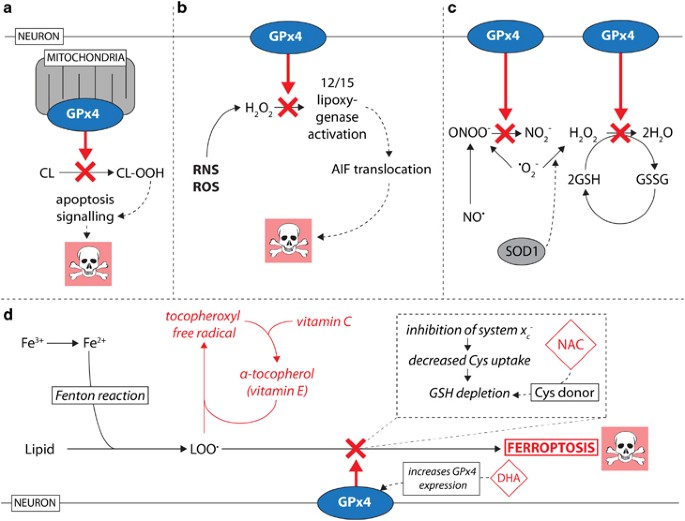
glutathione peroxidase reductase enzyme system 4: a new player in neurodegeneration? Glutathione system with synthesis routes
Description
Genome and biochemical analyses of pathogenic and commensal species revealed that all Neisseria species have a highly conserved nitric oxide reductase (NorB) and nitrite reductase (AniA or NirK), while only Neisseria mucosa contained a nitrate reductase (Nar), and only Neisseria lactamica , Neisseria cinerea , Neisseria subflava , Neisseria flavescens , and Neisseria sicca contained a nitrous oxide reductase (Nos) complex (Barth et al., 2009)
BPC-157 was shown in rat models to combat heart failure via the NO system, echoing emerging gene therapy modalities in ED treatment

In general, a single glutathione IV session can cost anywhere from about $100 to $500 per treatment

Body Composition and Metabolic Parameters Research on component peptides revealed favorable effects on body composition and metabolic markers[10]: Significant reductions in waist circumference (10-15 cm reductions observed) Preferential visceral fat loss documented through imaging studies Preserved lean body mass relative to total weight loss in most studies Improved body composition ratios with fat mass reductions exceeding total weight loss percentages Type 2 Diabetes Research Glycemic Control Studies Investigations in type 2 diabetes models demonstrated robust glucose-lowering effects[11]: HbA1c reductions of 2.0-2.4% observed with GLP3 in phase 2 diabetes trials Fasting plasma glucose reductions of 40-60 mg/dL documented across dose ranges Improved continuous glucose monitoring parameters including time in range and glucose variability CagriSema combination achieved superior glycemic control compared to individual components Studies showed that 72% of participants with prediabetes reverted to normoglycemia with GLP3 treatment, suggesting potential diabetes prevention applications[12]

However, orthopaedic-specific clinical evidence supporting improved healing or postoperative recovery is lacking


