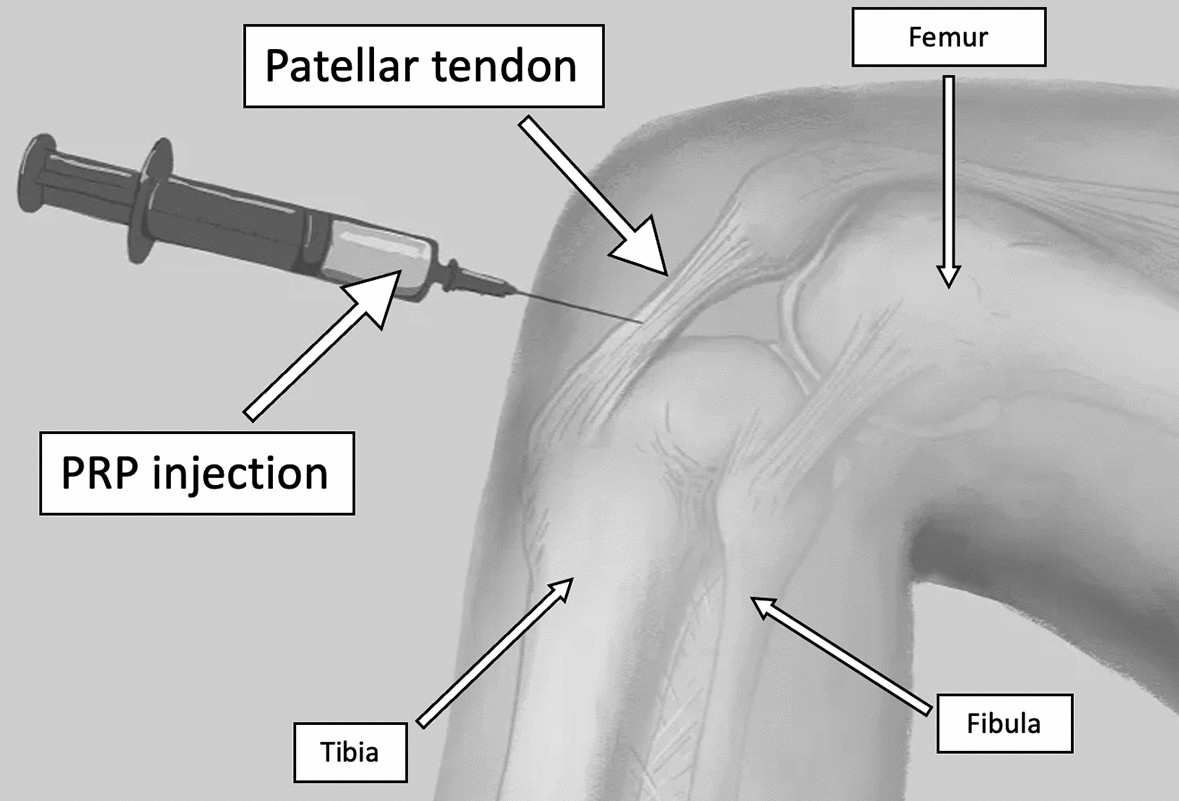
bpc-157 human clinical trial tendon injury randomized Multifunctionality and Possible Medical Application of the BPC 157 Peptide—Literature and Patent Review Platelet-rich plasma for jumper's knee:
Description
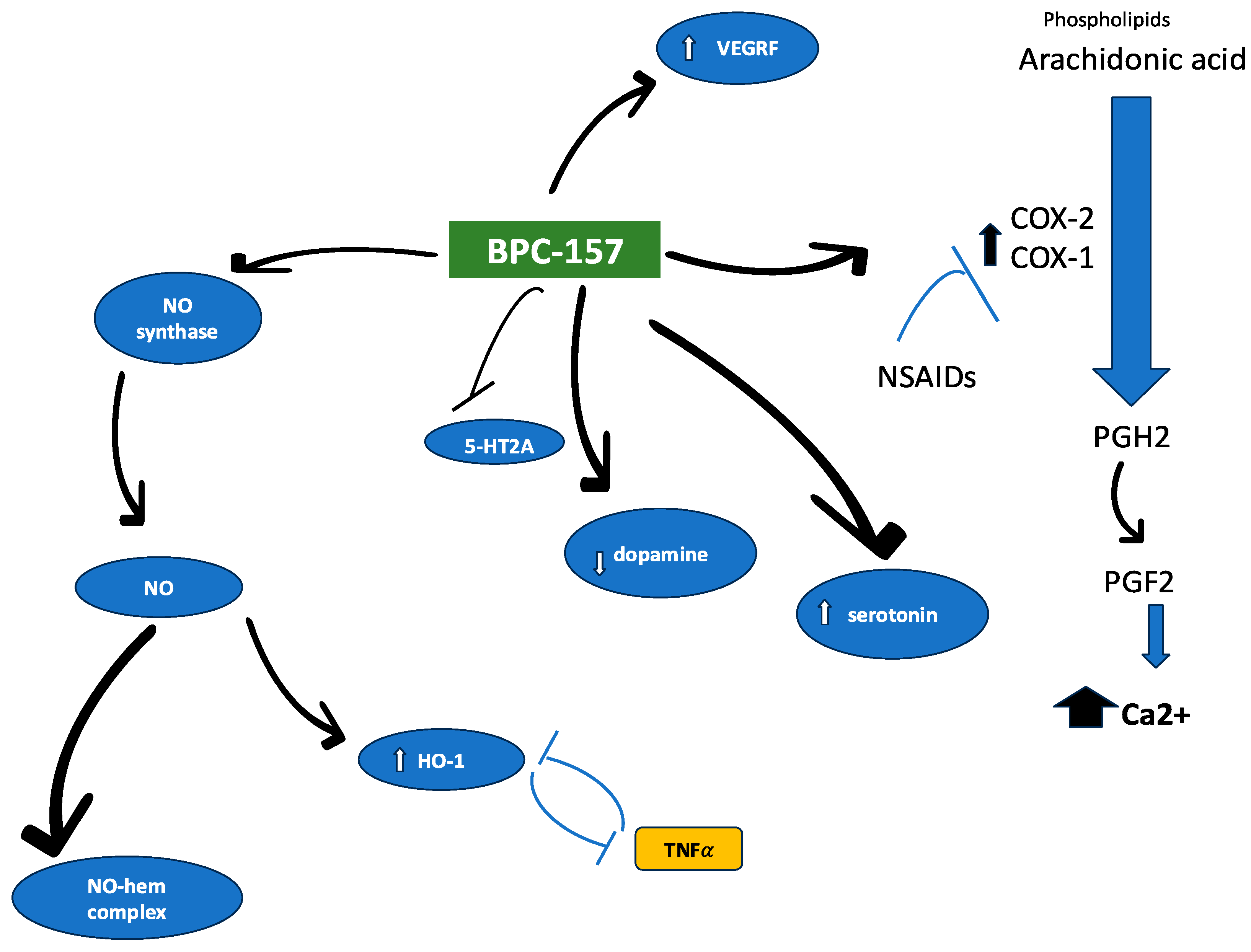
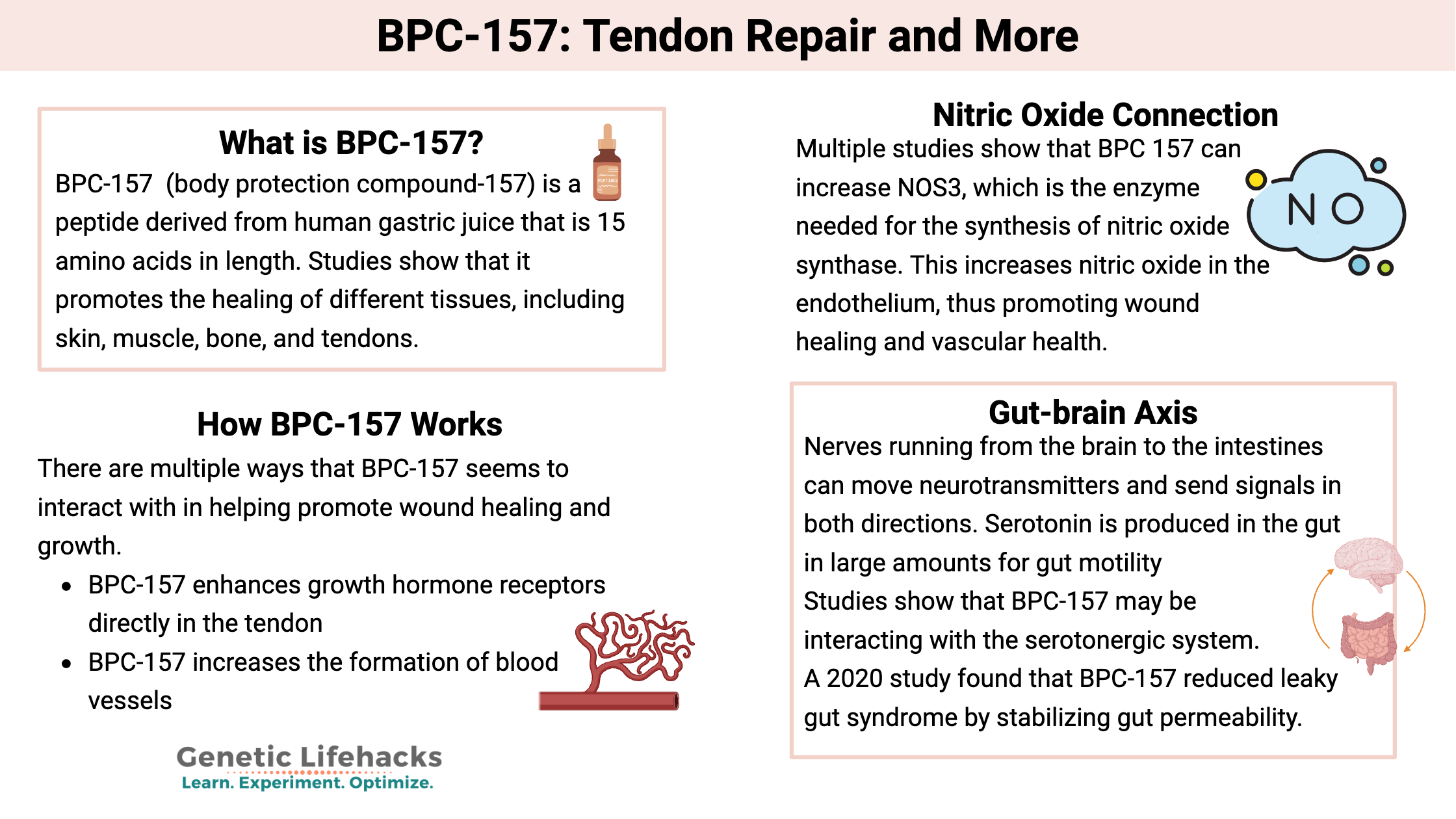
Joint cartilage has limited blood supply, and enhanced vascularity in the surrounding synovium and subchondral bone can improve nutrient delivery to damaged joint structures Anti-inflammatory modulation: BPC-157 modulates the nitric oxide system and reduces pro-inflammatory cytokines that drive arthritis progression Growth factor stimulation: The peptide upregulates vascular endothelial growth factor (VEGF) and growth hormone receptors, creating a more favorable environment for tissue repair Connective tissue healing: Research on tendons and ligaments demonstrates BPC-157's ability to accelerate healing in collagen-rich connective tissues, which are integral to joint structure Pain reduction: Through its anti-inflammatory and healing effects, BPC-157 may reduce joint pain at the source rather than simply masking it For detailed information on how BPC-157 supports tendon repair specifically, see our guide on peptides for tendon repair
Sport restriction: TB-500 is a WADA-prohibited substance (S2) for athletes

I recommend testing every 36 months, especially if you follow a plant-based diet, as dietary intake may be limited
Confirm the endpoint before first use The vial is ready only when the solution looks uniform and free of visible undissolved material

La base scientifica sul BPC-157 composta principalmente da studi preclinici (in vitro e su modelli animali)


