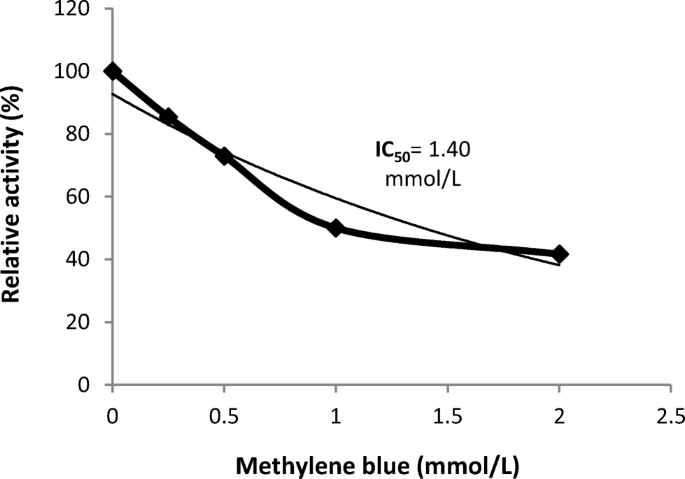
glutathione and methylene blue Protocol Ultra-highly selective adsorption of Methylene
Description
Most studied in intestinal inflammation

Washington, D.C.: ILSI Press
Note: TB-500 is far less studied than full-length Thymosin -4, and the following effects are primarily supported for the parent compound: Actin Binding: Sequesters G-actin monomers, regulating cytoskeletal dynamics essential for cell movement (PMID: 22074294 - Thymosin -4) Cell Migration: Enables endothelial cells, keratinocytes, and other repair cells to migrate to injury sites (PMID: 22074294 - Thymosin -4) Anti-inflammatory: Reduces inflammatory cytokines and promotes resolution of inflammation (PMID: 30116499 - Thymosin -4) Matrix Metalloproteinase Regulation: Modulates tissue remodeling enzymes for proper scar formation (PMID: 16607611 - Thymosin -4) Stem Cell Recruitment: May enhance mobilization of stem cells to damaged areas (PMID: 22074294 - Thymosin -4) Complementary Action: BPC-157 establishes the blood supply (angiogenesis) needed for healing, while TB-500 facilitates the cellular migration and tissue remodeling that follows
As we said, the liver is pretty large, so it should be no surprise that it has a pretty large job to do, or should we say about 500 jobs
The needle should enter smoothly


