


Liposomal Glutathione Supplement
US$ 24.95
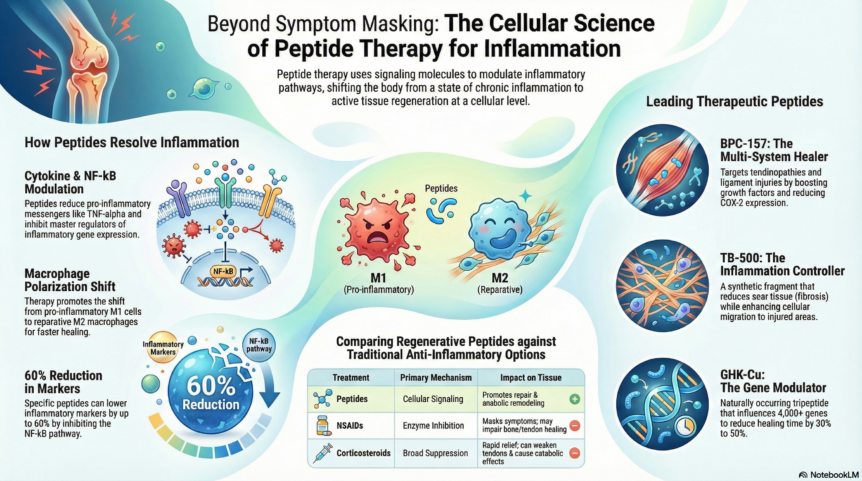
Our experience reviewing peptide and metabolic research compounds shows this pattern repeatedly: compounds with promising in vitro effects fail to translate to in vivo oral models because absorption and metabolism create insurmountable dosing inconsistencies
Long-term safety profiles in humans are unknown

Their actions protect you against oxidative stress and potential anti-aging effects
KPV: Best for inflammatory pain and conditions Why KPV is superior for inflammation: Extremely potent anti-inflammatory peptide Reduces IL-6, TNF-alpha, other inflammatory markers Modulates immune response Works systemically Best for: Rheumatoid arthritis Autoimmune-related pain Inflammatory bowel disease with pain Chronic systemic inflammation Widespread pain from inflammation Dosing: Injectable: 500-1,000mcg daily subcutaneous Oral: 1-2mg daily for gut-specific inflammation 8-12 weeks minimum Can use long-term Expected results: Week 2-4: Reduced inflammatory markers Week 4-8: Decreased pain levels Week 8-12: Significant inflammation control Comparison to NSAIDs: KPV: Reduces inflammation without stomach damage NSAIDs: Temporary relief, stomach/kidney risks KPV safer long-term BPC-157 for inflammation + tissue healing Why BPC-157 for inflammatory pain: Anti-inflammatory effects Also heals tissue causing inflammation Dual benefit Best for: Inflammatory pain with tissue damage IBD/Crohn's (gut inflammation) General inflammatory conditions Can combine KPV + BPC-157: KPV: Powerful inflammation reduction BPC-157: Tissue healing Together = comprehensive inflammatory pain relief Best peptide for chronic widespread pain Fibromyalgia, chronic pain syndrome, multi-site pain
$109.99 Based on the input and protocols of thousands of doctors, these customized packets were specifically designed to help patients easily and conveniently achieve their health goals

US$ 24.95
US$ 23.27
US$ 28.66
US$ 23.09
US$ 21.49
US$ 28.19
US$ 26.06
US$ 22.42