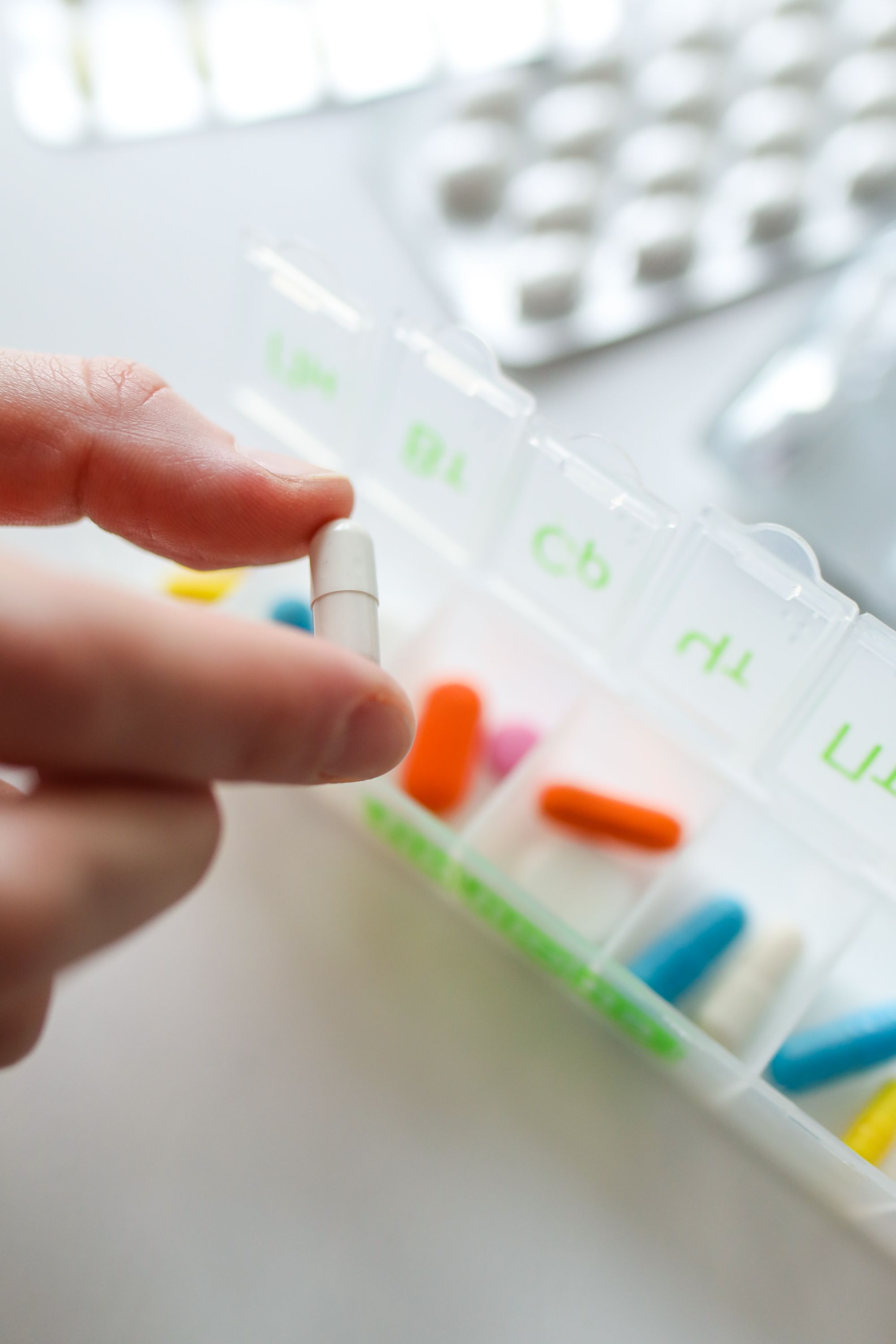
ghk-cu receptor downregulation desensitization tolerance Peptide Desensitization: Why Cycling Matters at the Receptor Level Evaluating the stability and safety
Description
Moreover, being the process of aging characterized by a low-grade inflammation that is linked to several age-related diseases (267), the inhibition of the mechanisms that lead to it may consequently affect the development of these pathologies

Tumour Biol 34:39233931

not present in plants Daily requirement: ~ 23 g/day Body stores: 25 mg , mostly in the liver (sufficient for 25 years) Absorption Pathway : In the mouth/stomach: B12 is protein-bound in food Stomach acid and pepsin release B12 from food proteins B12 binds to haptocorrin (also called R-binder or transcobalamin I) secreted by salivary glands and gastric mucosa In the small intestine : In the duodenum , pancreatic proteases degrade haptocorrin Free B12 then binds to intrinsic factor (IF) , a glycoprotein secreted by gastric parietal cells The B12IF complex travels to the terminal ileum , where it binds to cubilin receptors and is absorbed via receptor-mediated endocytosis 1 In the enterocyte and bloodstream: Inside enterocytes, B12 dissociates from IF It binds to transcobalamin II (TCII) for systemic transport Only B12TCII complex (called holotranscobalamin ) is biologically active and taken up by tissues Storage and transport: B12 is stored in the liver (main site), but also in muscle Transcobalamin II transports active B12 to tissues

The results may show how well your kidneys are working Liver function tests Is there a treatment for discolored urine

Research has explored BPC-157s potential effects on various types of tissue throughout the body


