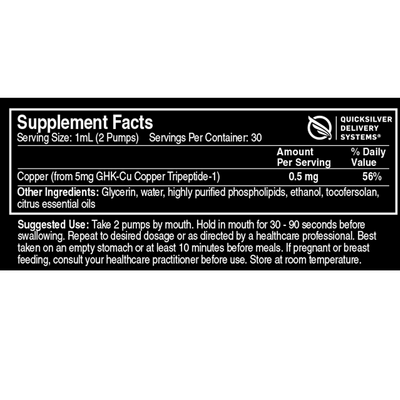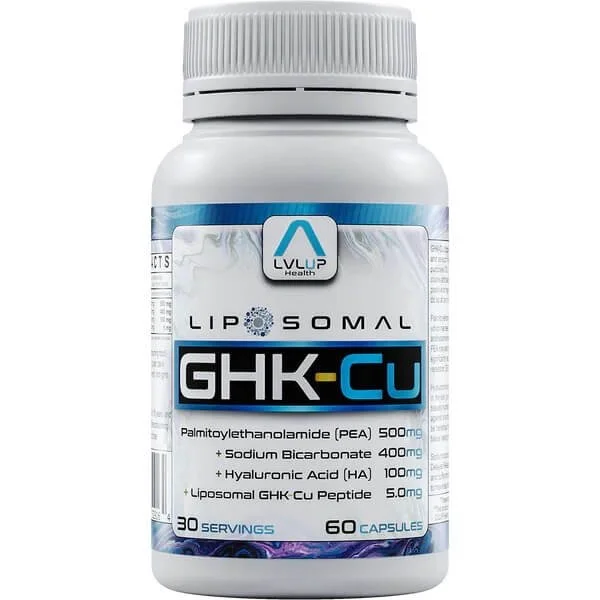
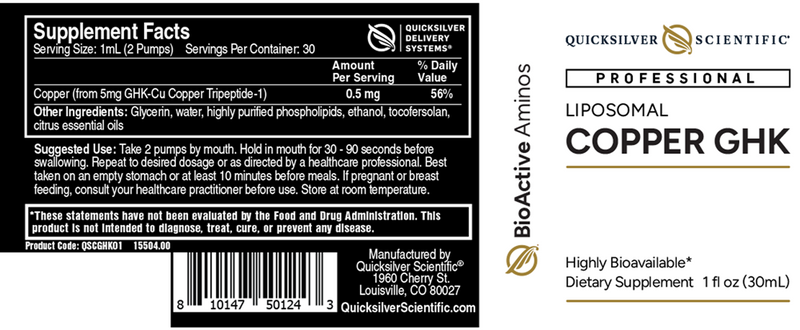
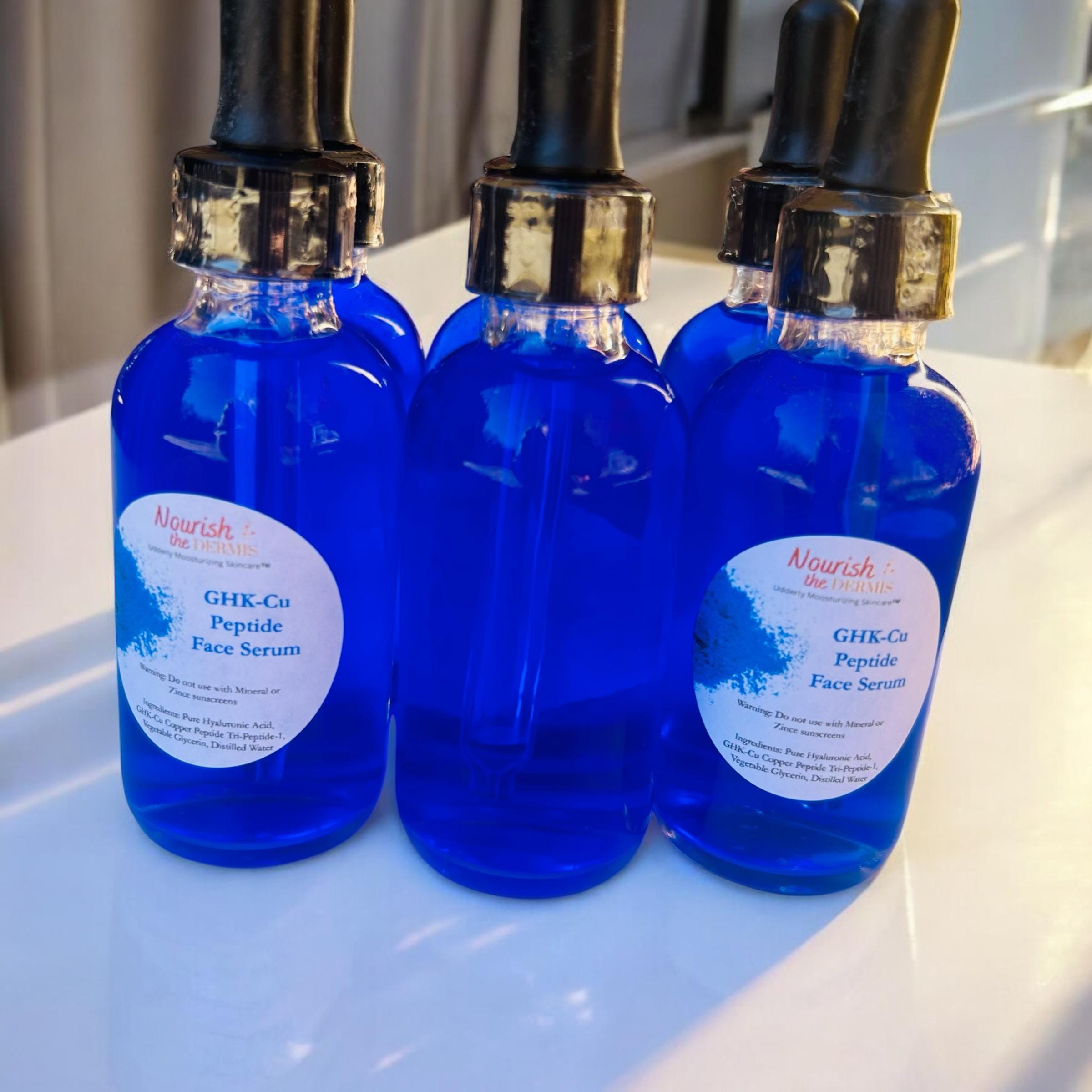
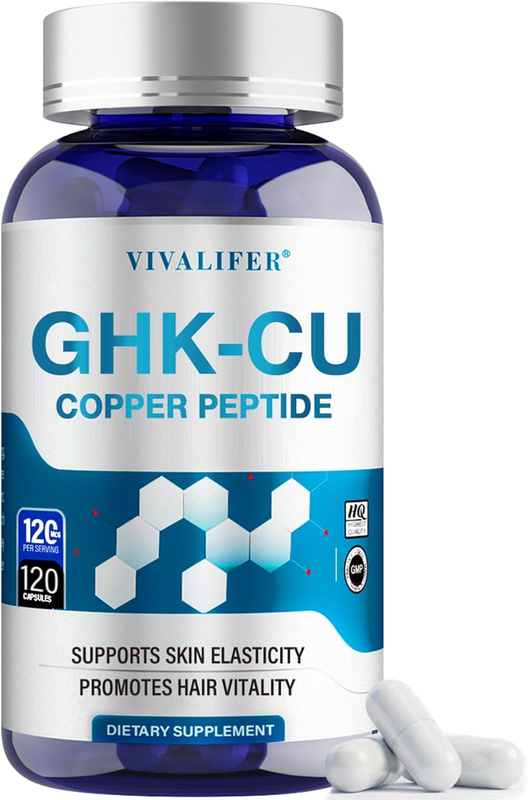
liposomal ghk cu capsules LVLUP Health GHK-Cu | Oral Copper Peptide — Holistic Lifestyler Liposomal Copper GHK (Quicksilver Scientific)
Description
The compound works by targeting a specific methyltransferase enzyme that affects how the body processes molecules critical for cellular function and energy management
Cytoskeletal organization
Benefits (Research Focus) Combined pathway research studied for paired investigation of pentadecapeptide (BPC-157) and -thymosin (TB-500) signaling Angiogenesis & vascularization investigated for combined effects on new blood vessel formation and endothelial pathway endpoints Connective tissue research explored for tendon and ligament repair endpoints in preclinical recovery models Cell migration & cytoskeletal dynamics examined for combined fibroblast migration and actin sequestration activity Comparative pharmacology researched for paired-compound vs single-compound endpoint differences in tissue repair models What Researchers Look At Comparative angiogenesis markers (VEGF, integrins) versus single-compound BPC-157 or TB-500 administration Fibroblast migration, collagen synthesis, and wound closure rates in combined-treatment protocols G-actin / F-actin dynamics and cytoskeletal reorganization in cell migration assays Tendon-to-bone healing endpoints in surgical research models Nitric oxide pathway modulation and anti-inflammatory signaling profiles Quick Specs Form: Lyophilized white powder (dual-component blend) BPC-157: 5 mg per vial TB-500: 5 mg per vial Total Peptide Content: 10 mg per vial Quantity: 1 vial Appearance: White to off-white lyophilizate Reconstitution: Bacteriostatic or sterile water (added by the end researcher) Purity: 99% by HPLC (per component) Identity: MS-verified (per COA) Storage: Protect from light Identity Basics Compound 1: BPC-157 (Body Protection Compound-157) Class: Synthetic pentadecapeptide
Youll notice from the illustration above that the subcutaneous layer doesnt start as a very large aspect of the penis
The World Anti-Doping Agency (WADA) was established in 1999 and has been crucial in developing anti-doping rules and policies since 2004 to prevent, deter and detect doping in sports